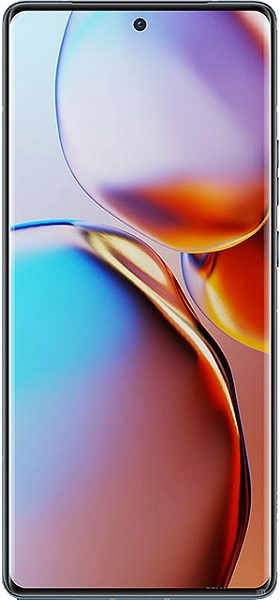
When it was introduced in 2023, the Motorola Edge 40 Pro set a new high for the Edge family in processor and charging technology. It launched in April 2023 with Android 13 and a formula that had settled into place in Motorola's Edge series: a powerful chipset, a high-refresh-rate display and fast charging. This review goes through the spec sheet, compares it with the previous-generation Edge 30 Ultra, and looks honestly at the phone's weakest point, its software update policy. The Edge 40 Pro is no longer produced: Motorola followed it with the Edge 50 Pro in 2024 and the Edge 60 Pro in 2025.
What sets the Edge 40 Pro apart from the Edge 30 Ultra?
The Edge 40 Pro moved to the Snapdragon 8 Gen 2, the generation after the Snapdragon 8+ Gen 1, which means a noticeable improvement in both processing power and efficiency. The display refresh rate rose from 144Hz to 165Hz. On the camera side, Motorola dropped the Edge 30 Ultra's 200MP sensor and went back to a 50MP main sensor with optical image stabilization (OIS), alongside a 12MP 2x optical telephoto lens. The biggest change is in charging, where 125W wired charging is joined by 15W wireless charging, a feature missing from the three previous Edge generations.
Specs at a glance
| Feature | Motorola Edge 40 Pro |
|---|---|
| Display | 6.67-inch P-OLED, 165Hz, FHD+ (2400x1080), curved edge, Gorilla Glass protection |
| Body | 161.16 x 74.8 x 8.59 mm, 199 g, glass back, sanded aluminum frame, IP68 |
| Processor | Qualcomm Snapdragon 8 Gen 2 |
| RAM / storage | 8GB/256GB or 12GB/256GB, UFS 4.0, no microSD |
| Rear camera | 50MP main (OIS) + 50MP ultrawide/macro + 12MP telephoto (2x optical, OIS) |
| Front camera | 60MP |
| Battery | 4,600 mAh, 125W wired and 15W wireless charging |
| Connectivity | Wi-Fi 6E/7 support |
| Release | April 2023, launched with Android 13 |
Design and durability
The Edge 40 Pro gives a premium feel with curved front and back glass protected by Gorilla Glass Victus and a sanded aluminum frame. It carries an IP68 rating for dust and water resistance. At 8.59 millimeters thick and 199 grams, the phone feels balanced rather than heavy, which is notable for a device with a 4,600 mAh battery and a large display.
The curved display edges offer an ergonomic advantage for one-handed use, while the Gorilla Glass Victus back gives extra resistance to scratches in daily use. The color palette was dominated by dark tones, and the sanded aluminum frame was well received for both aesthetics and grip quality. As with any curved-glass phone, a case is sensible if you want to protect the edges, and accidental touches near the curve can occasionally occur.
Display
The 6.67-inch P-OLED panel with a 2400x1080 resolution reaches a 165Hz refresh rate, which was one of the highest of its period. On paper, that gives a smoothness advantage in gaming and fast scrolling. OLED technology also means deep blacks and strong contrast, since each pixel produces its own light. A higher refresh rate does use more power, so many people will choose a lower setting in the display menu to save battery on days when smoothness matters less.
Performance and general use
The Snapdragon 8 Gen 2, Qualcomm's newest flagship chipset at the time, brought clear improvements over the previous generation in both energy efficiency and graphics performance. In general, that kind of chipset offers less heating and longer sustained performance than the generation before it, in everyday use and in heavy gaming. With the 12GB RAM option, multitasking should be very smooth, and UFS 4.0 storage points to fast app launches and file transfers. Motorola's clean near-stock Android interface also helps overall system speed, because there is less preinstalled software competing for resources.
The 256GB of storage is fixed, with no microSD expansion. The upside is the speed and reliability of the internal storage, and for most users 256GB is a comfortable amount.
Camera system
The rear setup combines a 50MP main sensor with OIS, a 50MP ultrawide/macro camera and a 12MP telephoto lens with 2x optical zoom and OIS. A 2x telephoto is a modest reach, mainly useful for portraits and moderate zoom without the quality loss of digital cropping. OIS on both the main and telephoto cameras helps in low light and when recording video, since it reduces the effect of small hand movements.
The 60MP front camera continues the phone's content-creation ambitions, and the phone also records 8K video at 30fps. Keep in mind that 8K files are very large, so heavy use will fill the 256GB quickly. This review is based on the specification sheet and does not rate image quality.
Charging: wired and wireless
The Edge 40 Pro pairs 125W wired charging with 15W wireless charging. With 125W wired charging, the phone can reportedly fill its battery in about 25 minutes. The 15W wireless speed does not reach the top level of rivals, but wireless charging had been absent from the previous three Edge generations, the Edge 20 Pro, Edge 30 Pro and Edge 30 Ultra, so its return was a meaningful step.
If you buy a used unit, check that the original charger is included, because 125W charging needs a compatible adapter and cable to work at full speed. Also remember that battery wear is a factor: a phone from 2023 may charge slightly slower and last less than it did when new.
Audio and biometrics
The stereo speaker system is backed by Dolby Atmos certification and was said to offer a fuller sound than most rivals of the time. The under-display optical fingerprint sensor stood out for quick and consistent unlocking. Wi-Fi 6E/7 support also makes the phone ready for future connectivity standards, though you will need a compatible router to benefit.
Software support: the main drawback
Motorola committed to only two major Android updates for the Edge 40 Pro, Android 14 and Android 15, plus three years of security patches. That is clearly behind the four to seven years Samsung and Google offered for their flagships around the same time. With several years now passed since the 2023 launch, official software and security support for the phone has probably ended or is close to ending. This is the most important drawback for anyone considering a used Motorola Edge 40 Pro today.
Without current security patches, the phone is more exposed to newly discovered vulnerabilities, and some banking or work apps may eventually stop supporting the older Android version. Careful users can reduce the risk by installing apps only from trusted stores and avoiding unknown links, but it remains a real limit on long-term value.
Who should consider it, and who should skip it
The Edge 40 Pro suits someone who wants flagship-class hardware with fast charging, wireless charging, an IP68 body and a clean interface, at a used-market price, and who accepts the update situation. It also suits gamers and people who value a very smooth display.
It is a weaker fit for people who want years of guaranteed security updates, or who want a large zoom range. A 2x optical telephoto will not satisfy anyone who needs strong zoom.
What to check before buying used
- Confirm the RAM version, 8GB or 12GB, since both were offered with 256GB of storage.
- Inspect the curved glass edges for chips and cracks.
- Test both wired and wireless charging, and ask whether the original 125W adapter is included.
- Check battery condition if the seller can show it.
- Check which Android version the unit currently runs.
- Confirm that the bands match your carrier.
Conclusion: is the Edge 40 Pro worth buying today?
The Motorola Edge 40 Pro is no longer produced and has since been outdone in hardware by the Edge 50 Pro and Edge 60 Pro. It offered a strong package for its generation with the Snapdragon 8 Gen 2, a 165Hz display and wireless charging, and it marked a stage where Motorola delivered expected quality rather than surprises. Its limited update policy, though, lowers its long-term value.
Frequently asked questions
Is the Motorola Edge 40 Pro still sold? No. It is no longer produced, and the brand continues in this segment with the Edge 50 Pro and Edge 60 Pro.
How long did it get software updates? Motorola's commitment was two major Android updates and three years of security patches, shorter than its biggest rivals, and official support has probably ended or is close to ending.
Is it water resistant? Yes. It has an IP68 rating for dust and water resistance.
How fast does it charge? It supports 125W wired charging, which can reportedly fill the battery in about 25 minutes, and 15W wireless charging.
Does it have a memory card slot? No. Storage is 256GB and cannot be expanded.
Source: Motorola Edge 40 Pro review