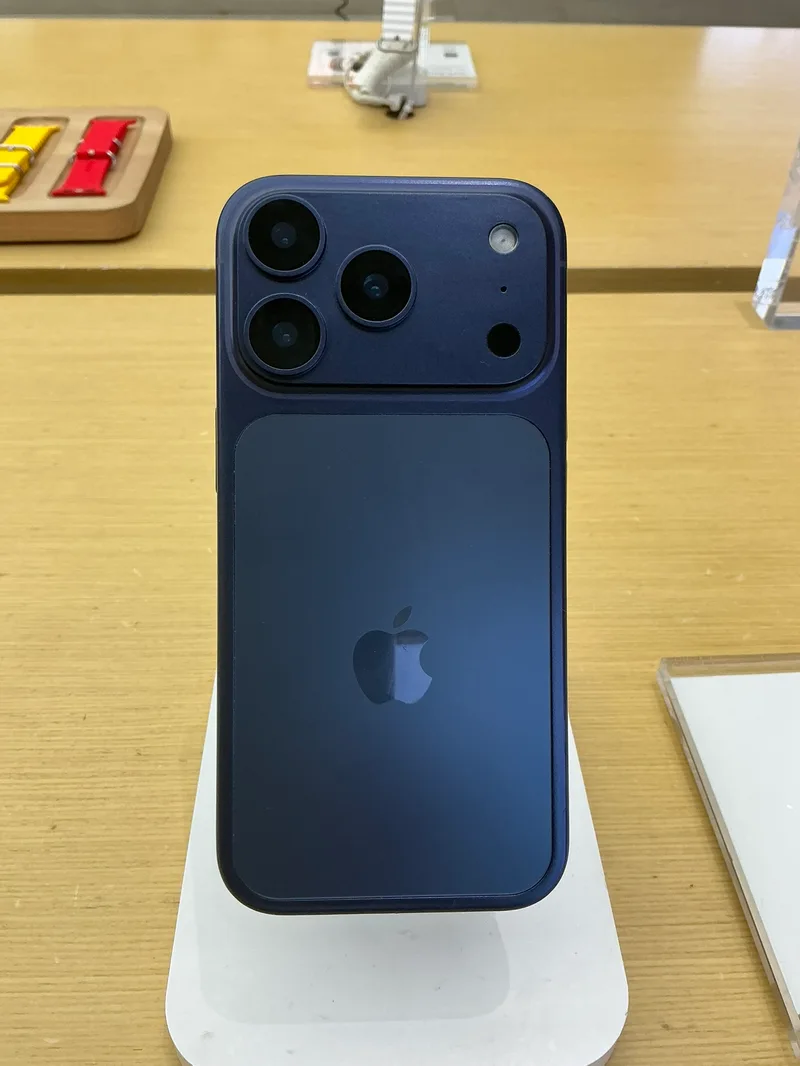
The iPhone is one of the most recognized smartphones in the world, and despite its high price each new model is met with great interest. So what makes Apple's phone so popular? In this article we go through the iPhone's strengths one by one, in hardware, software, the ecosystem and after-sales support, and we also state clearly the points it is criticized for. For every model, see our Apple brand page.
A start that redefined the smartphone
Apple introduced the first iPhone in January 2007, and the phone went on sale in the US in June of the same year. By offering a large touchscreen and a finger-driven interface instead of a physical keyboard, the iPhone largely shaped what smartphones look like today. The App Store, which opened in 2008, popularized the idea of downloading apps from a single store.
Since then the iPhone has been refreshed with a new generation every year. If you want to know when each model came out, our article iPhone release dates lists them all. This long history gives the brand a big advantage in trust and recognition.
Hardware and software from the same company
The key difference between the iPhone and Android phones is that Apple designs both the operating system (iOS) and the processor at the heart of the phone. Apple develops its own A-series chips. According to our database, the iPhone 17 Pro and iPhone 17 Pro Max use the A19 Pro, while the iPhone 17 uses the A19. The new iPhone 18 Pro is listed in our records with the A20 Pro.
Because the same company designs the hardware and the software, iOS can be optimized specifically for the chip, which helps the phone stay smooth even years later. For app developers, a small number of models and a single operating system also make it easier for apps to run consistently across devices.
Long software support
One of the most praised aspects of the iPhone is that older models receive iOS updates for a long time. For example, iOS 18, released in 2024, also supported the iPhone XS and iPhone XR, which came out in 2018. In other words, those phones could still get the latest iOS version six years later.
Long support matters for both security and resale value. A phone that keeps receiving updates stays compatible with new apps and protected against security flaws. It also supports the widespread view that the iPhone generally holds its value on the used market better than many other phones.
The Apple ecosystem
Perhaps the strongest reason for the iPhone's popularity is the ecosystem. When the iPhone is used together with Apple Watch, AirPods, iPad and Mac, many tasks connect on their own:
- Fast sharing of files and photos between Apple devices with AirDrop
- Messaging and video calls between Apple users with iMessage and FaceTime
- Syncing photos, contacts and backups across devices with iCloud
- Continuity features that let you pick up on the iPhone a task you started on the Mac
Details such as the Apple Watch working only with the iPhone are important factors that keep users inside the ecosystem. Once someone starts using more than one Apple product, they usually choose the iPhone again when they replace their phone. We compared this in detail in our article iPhone or Samsung?
Privacy and security
Apple has made privacy one of the iPhone's core selling points. App Tracking Transparency, introduced with iOS 14.5 in 2021, requires apps to ask for explicit permission before tracking users across other apps and websites. The Face ID facial recognition system and the distribution of apps through the App Store also strengthen the sense of security.
This closed structure reduces the risk of malware but also gives the user less freedom. Still, for many users who do not want to spend time tinkering with technology, the idea of a phone that is "secure out of the box" is appealing.
Camera and video
The iPhone has long been known as a strong phone for video recording in particular. Consistent colors, an easy-to-use camera app and the good fit between social media apps and the iPhone camera make it popular among content creators. According to our database, the slim iPhone Air is listed with a 48 MP Fusion main camera, and the iPhone 18 Pro with a 48 MP main camera with a variable aperture.
To see the differences between models, check our iPhone 17 vs 17 Pro, iPhone Air vs 17 Pro and 17 Pro vs 17 Pro Max comparisons.
The iPhone in Turkey: official sales and prices
In Turkey, Apple sells the iPhone both through its own stores and through authorized resellers, and there are Apple Store locations in Istanbul. iPhones bought through official channels come with Apple's warranty and authorized service support.
iPhone prices in Turkey are higher than in many countries because of taxes and exchange rates. Phones brought in from abroad also require an IMEI registration fee. We explained the factors behind the price in our article iPhone prices in Turkey.
Criticism of the iPhone
- High price: The iPhone costs more than many Android phones with similar hardware, and the gap grows as storage capacity increases.
- Closed system: iOS does not offer as much customization as Android, and there are more restrictions on installing apps and managing files.
- No charger in the box: Since the iPhone 12 series in 2020, Apple has not included a charging adapter in the box.
- Repair costs: Replacing parts such as the screen and the back glass can be expensive, so pay attention to warranty and insurance terms.
- Language support for AI features: Some of Apple's newer AI features are not offered in every language and region at the same time.
Which iPhone is right for you?
- For the most affordable new iPhone: the iPhone 17e or the iPhone 16e; for the differences, see iPhone 16e vs 17e.
- For a balanced iPhone: the iPhone 17. For comparisons with Android rivals, see iPhone 17 vs Galaxy S26 and iPhone 17 vs Xiaomi 17.
- For fans of thin and light phones: the iPhone Air.
- For the best camera: the iPhone 18 Pro Max or the iPhone 17 Pro Max; for a comparison with rivals, see 17 Pro Max vs Huawei Pura 90s Pro Max.
To sum up, the iPhone's popularity comes from the fit between hardware and software, long update support, a strong ecosystem, its approach to privacy and well-established trust in the brand. The price is high, but for many users this package means a choice that holds its value over the long term.
Frequently asked questions
When did the first iPhone come out? The first iPhone was introduced in January 2007 and went on sale in the US in June of the same year.
How many years of updates does an iPhone get? Apple does not announce a fixed period, but iPhones usually receive updates for many years. For example, iOS 18 also supported the iPhone XS and XR, which came out in 2018.
Why are iPhones more expensive than Android phones? The price reflects Apple's own chips, long software support, brand value and ecosystem services. In Turkey, taxes and exchange rates push the price up further.
Does the Apple Watch work with Android phones? No. Setting up and using an Apple Watch requires an iPhone.
Does the iPhone have USB-C? Yes. Apple switched from the Lightning port to USB-C with the iPhone 15 series in 2023.
Can an iPhone bought abroad be used in Turkey? Yes, but for the phone to work with Turkish carriers, its IMEI must be registered and the registration fee paid.
Source: Why iPhones are so popular · mobilkanal.com · Read the full article