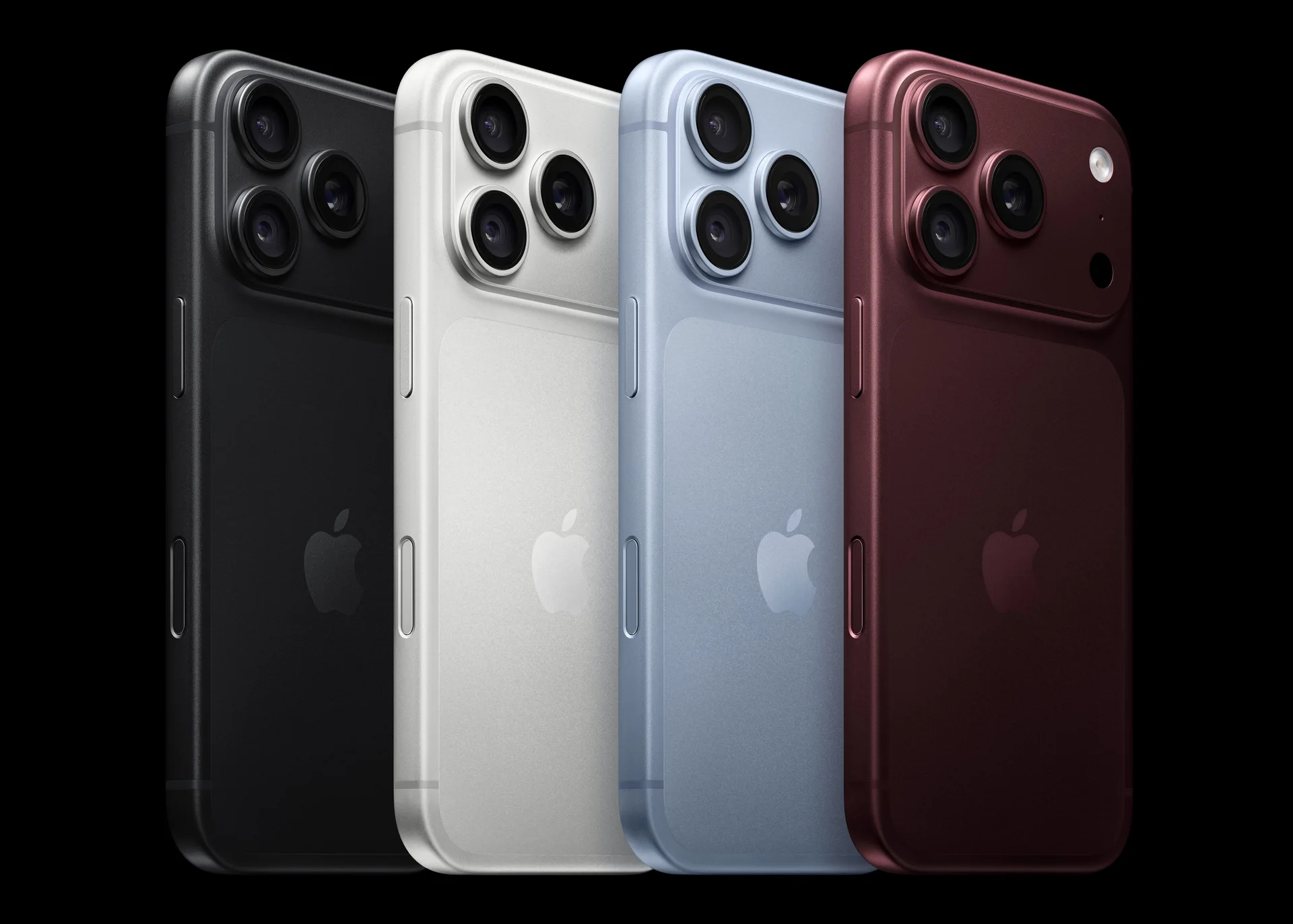
A new rumor is circulating about the Pro models Apple is expected to introduce in fall 2027. According to a Chinese leaker, early engineering prototypes of the model referred to as the iPhone 20 Pro use a titanium frame. If true, Apple would be returning to titanium on the Pro line after two years. Apple has said nothing about these models, and even the name is not confirmed.
Key points
- Claim: iPhone 20 Pro prototypes use a titanium frame (November 18, 2026, unconfirmed).
- iPhone 15 Pro and 16 Pro used titanium; 17 Pro and 18 Pro use aluminum.
- iPhone Air and iPhone Duo still use titanium frames.
- Other rumors: quad-curved display, rounder design, 6.41- and 6.96-inch screens.
- The new Pro models are expected in fall 2027; the name is not confirmed.
What the titanium claim says
The claim, shared on November 18, 2026, says the iPhone 20 Pro will have a design reminiscent of the iPhone Air but noticeably more rounded, and that prototypes use a titanium frame. Days earlier the same leaker said the model would use the iPhone Air glass material with more curvature on all four sides. These are early development units, so the material could change before mass production.
A short history of iPhone frame materials
| Model | Year | Frame / body |
|---|---|---|
| iPhone 15 Pro | 2023 | Titanium |
| iPhone 16 Pro | 2024 | Titanium |
| iPhone 17 Pro | 2025 | Aluminum body |
| iPhone Air | 2025 | Titanium |
| iPhone 18 Pro | 2026 | Aluminum body |
| iPhone Duo | 2026 | Grade 5 titanium |
| iPhone 20 Pro (name unconfirmed) | 2027 (expected) | Titanium claimed, unconfirmed |
When Apple moved the iPhone 17 Pro to aluminum in 2025, it pointed to better heat conduction and a vapor chamber for sustained performance, and the iPhone 18 Pro kept that approach.

Design and display rumors
| Claim | Status |
|---|---|
| Titanium frame on prototypes | Rumor; material may change |
| Rounder design similar to iPhone Air | Rumor |
| Front and rear glass curving around a thin metal band | Rumor |
| Quad-curved, nearly bezel-free display | Rumor; flat and curved designs said to be in testing |
| About 6.41 in (Pro) and 6.96 in (Pro Max) | Rumor |
| "A21 Pro" chip | Rumor |
| New main camera sensor with faster readout | Rumor |
| Action button removed or merged with Camera Control | Rumor |
| Aluminum stays (May 2026 reports) | Older, conflicting rumor |
| Model | Display |
|---|---|
| iPhone 18 Pro | 6.3 in (official) |
| iPhone 18 Pro Max | 6.9 in (official) |
| iPhone 20 Pro | about 6.41 in (rumor) |
| iPhone 20 Pro Max | about 6.96 in (rumor) |
Titanium or aluminum: why it matters
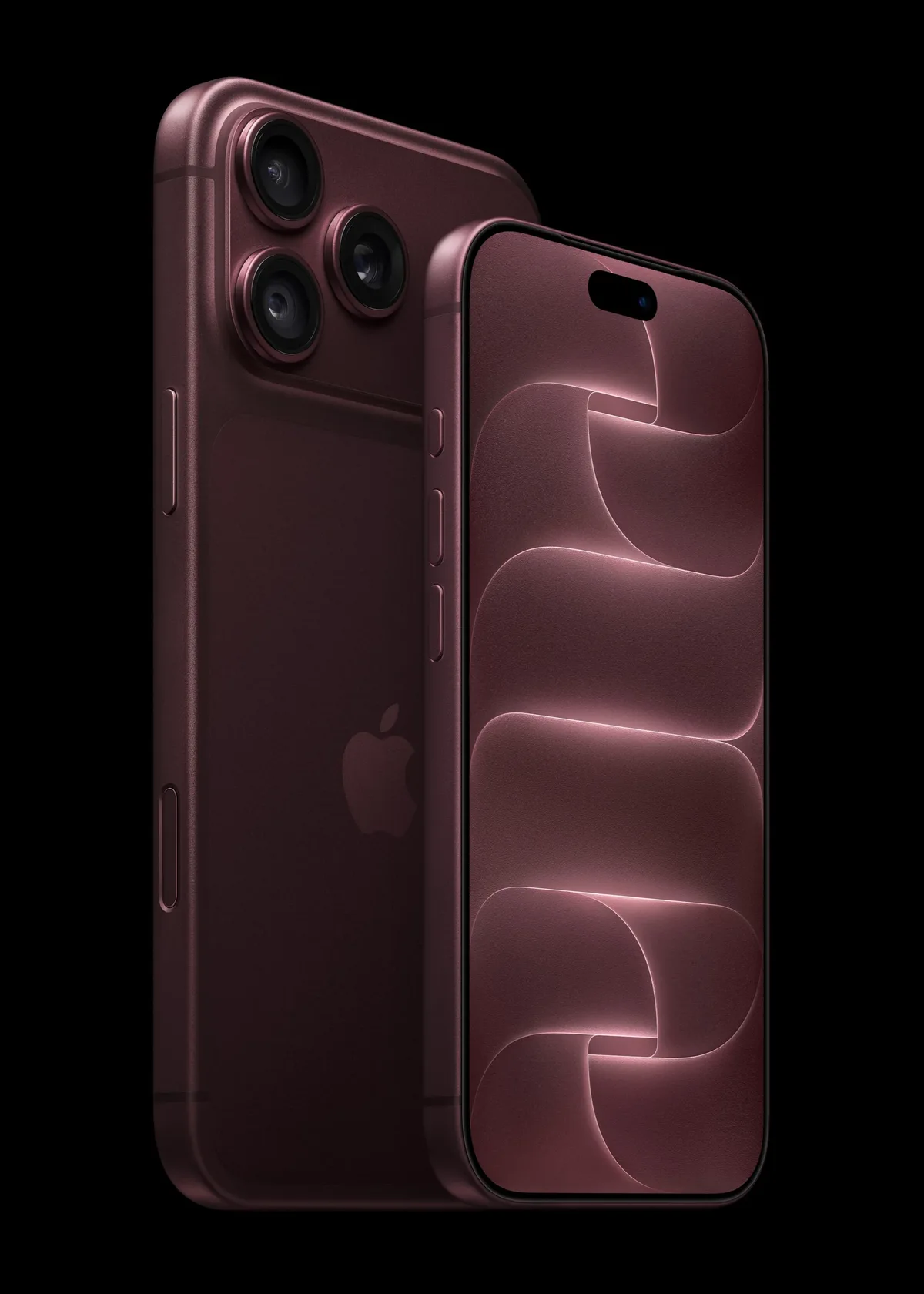
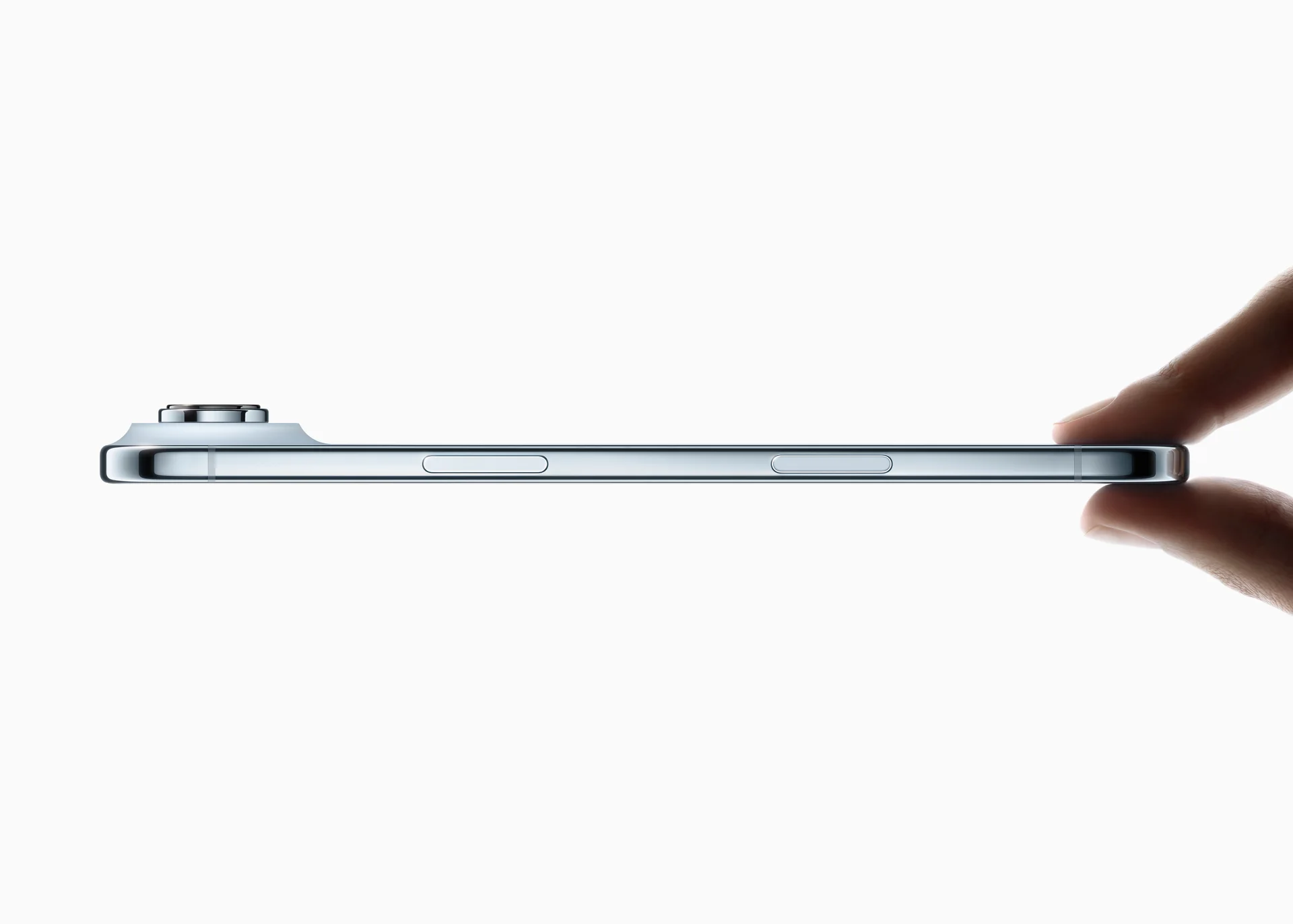
Titanium is very strong for its weight but conducts heat less well than aluminum, which is why Apple cited sustained performance when it moved the 17 Pro to aluminum. If titanium returns, how Apple handles heat will be a key question. Apple already pairs a titanium frame with a vapor chamber on iPhone Duo, so a similar approach on the Pro is possible, but that is speculation for now. A quad-curved display would also bring the thin, rounded look that started with the iPhone Air to the Pro line, in the year of the iPhone's 20th anniversary.
Should you wait?
The iPhone 20 Pro is at least a year away and nothing about its price or specs is official. If you need a phone now, see iPhone 18 Pro vs 18 Pro Max, 17 Pro vs 17 Pro Max and iPhone Air vs 17 Pro.
Frequently asked questions
Will the iPhone 20 Pro be titanium? Not confirmed. A leaker claims early prototypes use titanium; the material may change.
When will the iPhone 20 Pro be released? The new Pro models are expected in fall 2027.
Is the iPhone 18 Pro titanium? No. It keeps the aluminum body introduced with the iPhone 17 Pro.
Which iPhones use titanium? iPhone 15 Pro, iPhone 16 Pro, iPhone Air and iPhone Duo.
Why did Apple switch to aluminum? Apple cited better heat conduction and a vapor chamber for sustained performance on the iPhone 17 Pro.
Will the name really be iPhone 20 Pro? Unknown; it is the name leakers use.
Source: Is the iPhone 20 Pro Returning to Titanium? The New Rumor Explained · mobilkanal.com · Read the full article