Unlocked Phones in Canada: How to Buy and What to Check
Buying unlocked phones in Canada is easier than it used to be. Since the national wireless rules changed in December 2017, new phones sold to individuals and small businesses come unlocked, and unlocking an older device is free on request. That freedom only pays off if the phone you pick also works well on your network, so this guide covers the rules, the network checks that matter, and how to compare models before you pay.
20 phones from the catalog


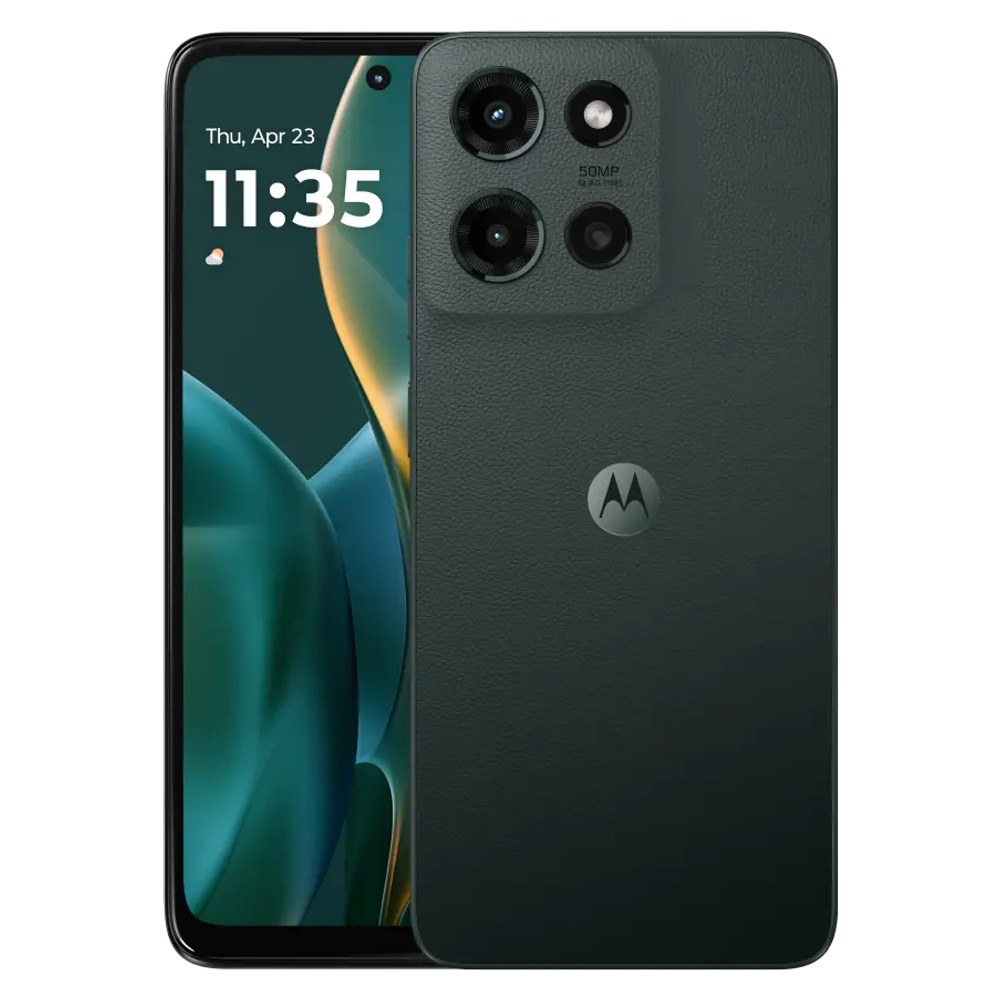
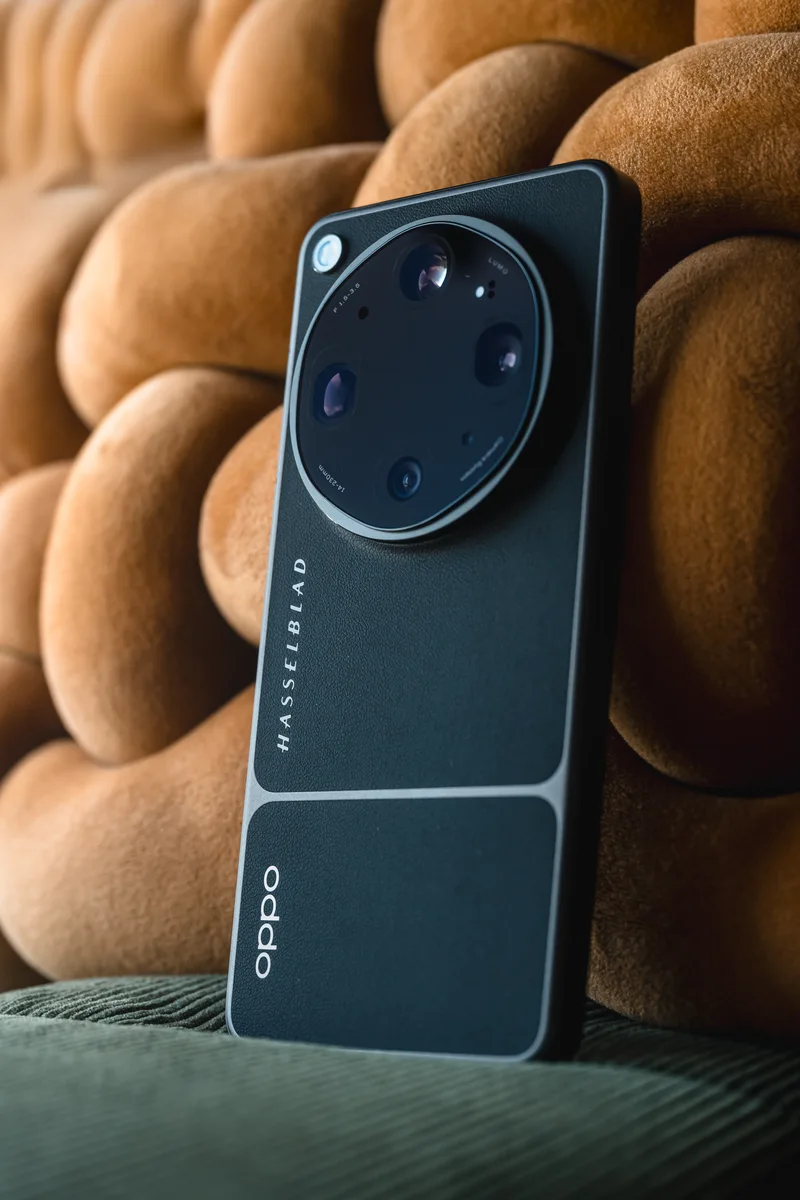
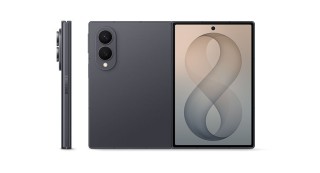
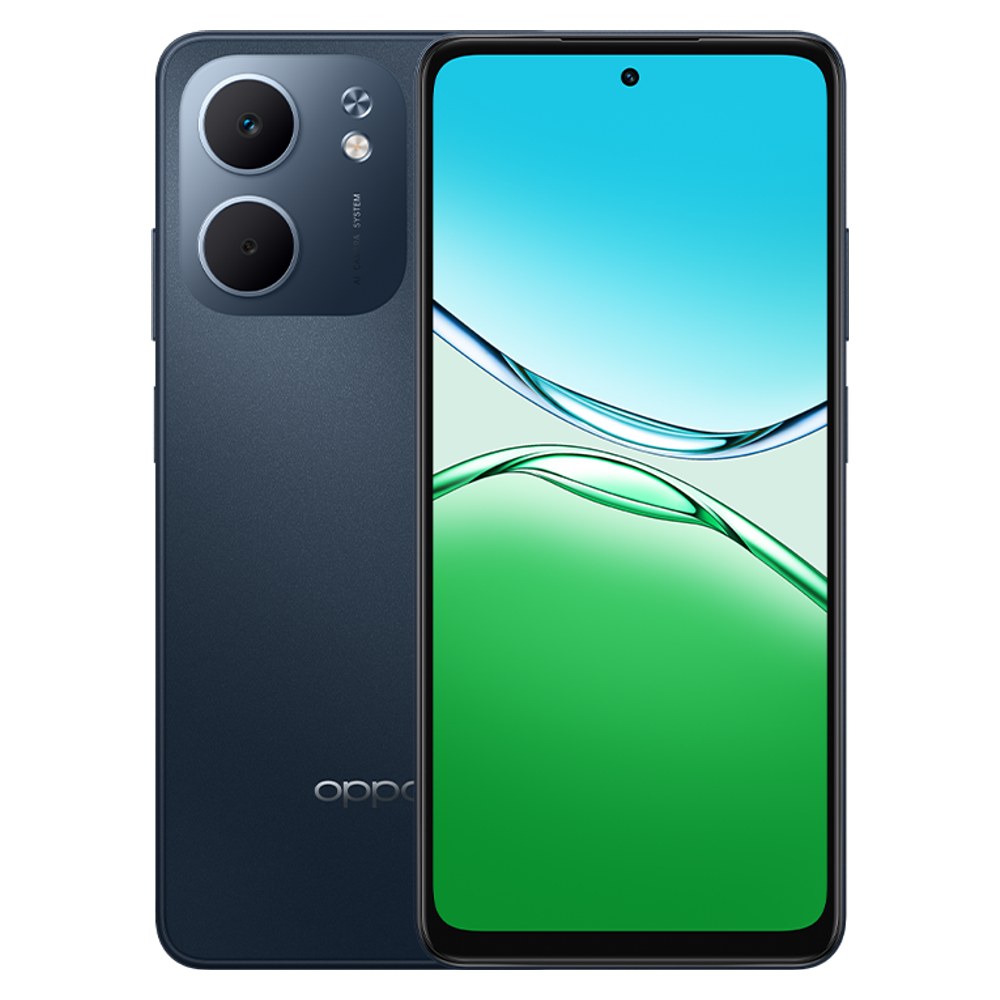
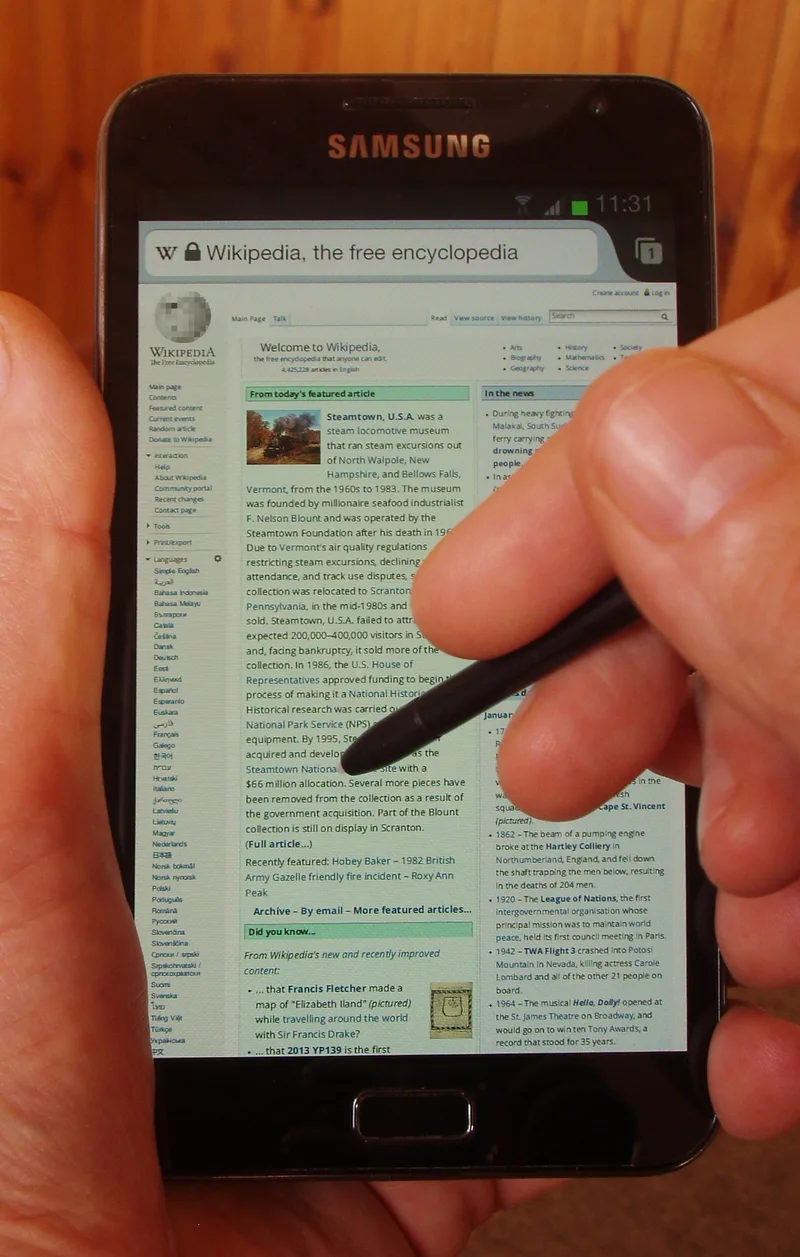
What an unlocked phone means in Canada
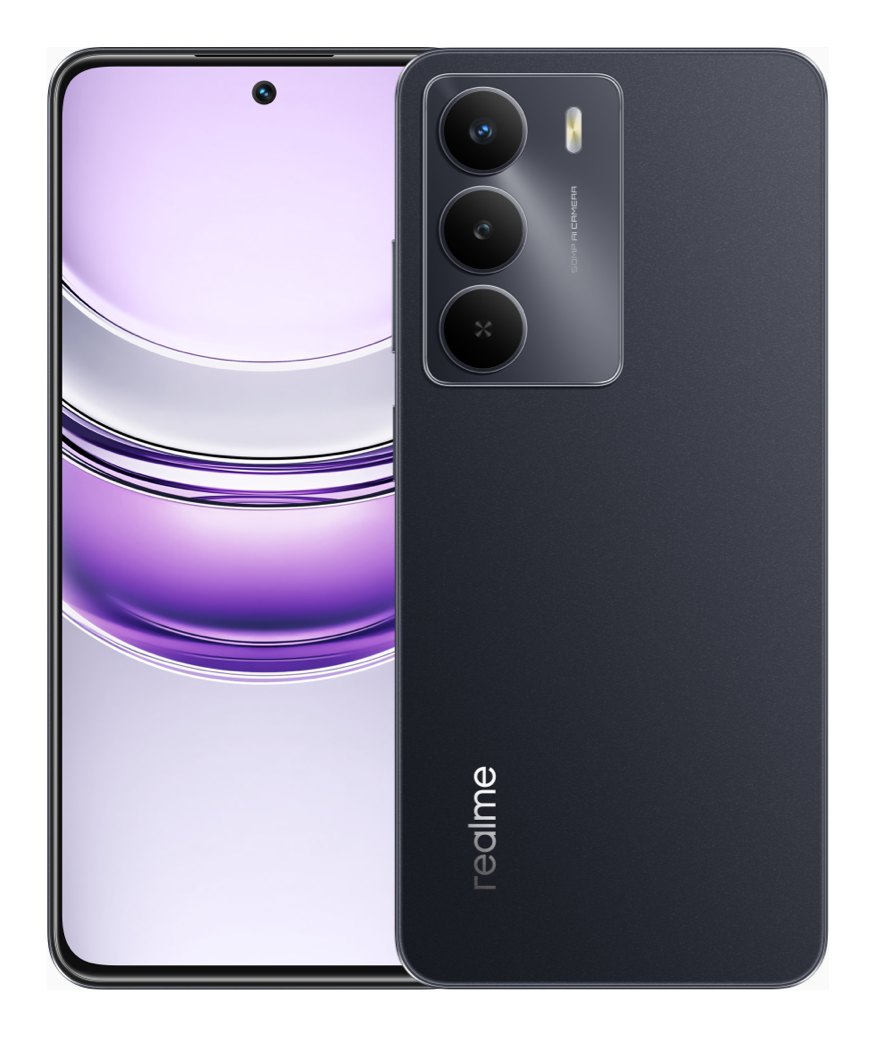
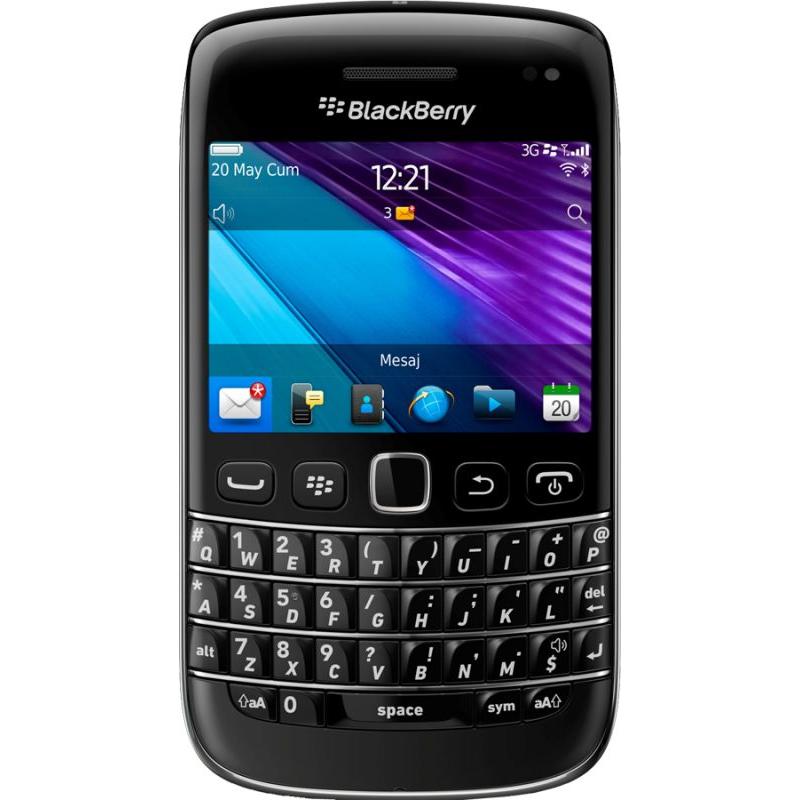
An unlocked phone accepts a SIM or eSIM from any compatible carrier. You can move between the big national networks, their lower-cost sister brands and regional providers without asking anyone for permission. "Unlocked" says nothing about whether the phone is paid off, insured or under warranty; it only describes the network lock.
Two other kinds of lock still matter when you buy: an account lock (the phone is tied to someone's Apple, Google or Samsung account) and a blocked IMEI (the phone was reported lost or stolen). Both are covered in our Canada used phone buying guide.
The Canadian unlocking rules in plain words
The national wireless consumer rules were updated on December 1, 2017. Since then:
- new devices sold by carriers to individuals and small businesses must be provided unlocked;
- if you still have an older locked device, the carrier must unlock it free of charge when you ask;
- the rules cover individual and small business customers, not large corporate accounts.
So for most people in Canada the question is no longer "can I get it unlocked?" but "will this phone work properly on the network I want?".
Unlocked outright or through a carrier plan?
You can buy the same phone in two ways. Paying the full price at a store or online gives you no ties to a carrier and lets you bring your own phone (BYOP) to any plan. Buying through a carrier usually spreads the cost over a contract or financing period and may include device return or trade-in programs; the phone itself is still unlocked, but leaving early can mean paying the remaining device balance.
Neither option is always cheaper. Compare the total cost over the period you plan to keep the phone, including the plan, any balance owing and the trade-in value at the end.
Network compatibility: the check that matters most
An unlocked phone is only useful if it supports the frequency bands used where you live. Canadian 5G networks rely heavily on the 3500 MHz mid-band (band n78), together with lower bands that reach further and work better indoors. Carriers use different combinations of bands, and the mix changes as networks grow.
Before you buy:
- find the exact model number on the box or in the settings, because one phone name can hide several regional versions with different bands;
- compare the phone's LTE and 5G band list with the band list your carrier publishes;
- check that voice calling over LTE (VoLTE) works on that carrier, since older 3G networks are being switched off.
Our Canada 5G phones and bands guide explains the band basics step by step.
eSIM, physical SIM and dual SIM
Most recent flagship phones support eSIM, and many let you use an eSIM together with a physical nano-SIM. SIM layouts can differ between regional versions of the same phone, so a model bought abroad may not have the same SIM options as the Canadian one. If you need two numbers, for example a Canadian line plus one from home, check the spec sheet for "dual SIM" and how many eSIMs can be active at once. Our eSIM guide for iPhone in Canada covers the iPhone side in detail.
Buying a phone abroad and bringing it to Canada
Phones bought in another country are often cheaper, but they come with trade-offs:
- international versions may miss some of the bands Canadian networks use, which can mean weaker indoor coverage or no 5G;
- the manufacturer's warranty may not be honoured in Canada for a model sold elsewhere;
- some features, such as emergency alerts or Wi-Fi calling, can depend on the region and the carrier.
If you are moving to Canada with your current phone, it will usually work for calls and data, but check the band list before you rely on it as your only phone.
Checklist before you pay
- Confirm the exact model number and that it is the Canadian or a fully compatible version.
- Match its LTE and 5G bands with your carrier's list, and check VoLTE support.
- Decide how you will use the SIM: physical, eSIM or both.
- For a used phone, check the IMEI status, the account lock and the battery health.
- Compare the total cost: full price versus plan plus financing, minus any trade-in.
- Check how many years of software updates the maker promises for that model.
Phones to compare before buying unlocked
These are recent models from the brands most widely seen in Canadian stores. Availability, chip and memory versions can differ in Canada, so always confirm the Canadian model before buying. Each link opens the full spec sheet.
Apple
- Apple iPhone 18 Pro Max – 6.9" display
- Apple iPhone 18 Pro – 6.3" display
- Apple iPhone 17 – 6.27" display, 3,692 mAh battery
- Apple iPhone 17e – 6.06" display, 5,149 mAh battery
Samsung
- Samsung Galaxy S26 Ultra – 6.9" display, 5,000 mAh battery
- Samsung Galaxy S26 – 6.3" display, 4,300 mAh battery
- Samsung Galaxy S26 FE – 6.7" display, 4,900 mAh battery
- Samsung Galaxy A56 – 6.7" display, 5,000 mAh battery
- Samsung Galaxy Z Flip8 – 6.9" display, 4,300 mAh battery
- Google Pixel 11 Pro – 6.3" display, 4,850 mAh battery
- Google Pixel 11 – 6.3" display, 4,985 mAh battery
- Google Pixel 10a – 6.3" display, 5,100 mAh battery
- Google Pixel 9a – 6.3" display, 5,100 mAh battery
Motorola, OnePlus and Nothing
- Motorola Edge (2026) – 6.3" display, 5,000 mAh battery
- Motorola Razr (2026) – 6.9" display, 4,800 mAh battery
- OnePlus 15 – 6.78" display, 7,300 mAh battery
- Nothing Phone (4a) – 6.78" display, 5,080 mAh battery
Popular head-to-head comparisons: iPhone 18 Pro Max vs Galaxy S26 Ultra, Pixel 10 Pro vs Galaxy S26 Ultra, iPhone 17 vs Pixel 10, iPhone 17e vs Pixel 9a and Galaxy A56 vs Pixel 9a. You can also put any two or three phones side by side with our phone comparison tool.
Frequently asked questions
Are new phones in Canada sold unlocked? Yes. Since December 1, 2017, new devices sold by carriers to individuals and small businesses must be provided unlocked.
Can my carrier charge me to unlock an older phone? No. Under the same rules, unlocking an older device must be done free of charge when you ask.
Will an unlocked phone work on every Canadian carrier? Not automatically. It also needs to support the LTE and 5G bands and VoLTE settings that carrier uses, so check the band list for your exact model.
Is it cheaper to buy an unlocked phone outright? Sometimes. Compare the full price plus a bring-your-own-phone plan against the plan with financing, including any trade-in value, over the time you plan to keep the phone.
Can I use a phone bought in another country in Canada? Often yes, but it may miss some Canadian bands, and the warranty may not apply in Canada. Check the model number and band list first.
What else should I check on a used unlocked phone? The IMEI status, whether the phone is still signed in to the previous owner's account, and the battery health.
Final thoughts
Unlocked phones in Canada give you the freedom to choose your carrier and plan, but the real work is matching the phone to the network. Pick the model, confirm the Canadian version and its bands, then compare the total cost of buying outright versus through a plan. Our Canada phone guides cover prices, stores and used phones if you want to go further.